Wheel Bearing Replacement Cost Estimator: Calculate Your Repair Costs
Get an accurate estimate for your wheel bearing replacement costs by entering your vehicle details below.
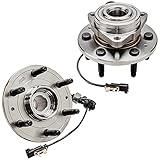
List of the Best Wheel Bearing:


Understanding Wheel Bearing Replacement Costs
Wheel bearing replacement is a critical repair that affects safety and performance. Cost varies significantly with vehicle make, model, and the type of parts used. The figures below are planning ranges, not quotes. Two points matter more than price: a severely worn bearing is a safety hazard, and the symptom that sounds like a bearing may come from a tire, CV joint, or differential — diagnose before replacing parts. For related driveline work, see our CV joint replacement cost estimator and tire patching cost estimator.
Safety First: Why a Failing Bearing Shouldn't Be Ignored
A wheel bearing that fails completely can lock the wheel, cause loss of steering control, or allow the wheel to separate from the vehicle while driving — all at speed. Symptoms that warrant prompt inspection include a grinding or humming noise that changes with vehicle speed, vibration through the steering wheel or seat, uneven tire wear, and an ABS warning light (many bearings house the ABS sensor). Do not delay diagnosis; a tow is far cheaper than the consequences of a wheel failure.
Diagnose Before Replacing
Several faults produce noises similar to a bad wheel bearing. A proper diagnosis distinguishes them:
- Wheel bearing: A hum or growl that rises and falls with speed, often changing when turning left or right (the noise typically gets louder when weight shifts onto the affected side).
- Tire noise: Often a rhythmic thrumming that follows tire rotation; check for cupping or uneven wear first.
- CV joint: A clicking or popping noise on turns, not a steady hum.
- Differential or transmission: A whine that may change with throttle rather than strictly with speed.
A shop will typically raise the vehicle, spin the wheel by hand, check for play, and road-test to localize the noise. This step prevents paying for a bearing when the real cause is a tire or axle.
Cost Breakdown by Vehicle Type
Replacement costs vary significantly across vehicle types and brands. The totals below assume a common hub-style bearing; prices rise for vehicles that require a pressed bearing or an integrated ABS sensor.
| Vehicle Type | Parts Cost Range | Labor Cost Range | Total Cost Range |
|---|---|---|---|
| Economy Cars | $50 - $150 | $150 - $300 | $200 - $450 |
| Mid-Size Sedans | $100 - $250 | $200 - $400 | $300 - $650 |
| Luxury Vehicles | $200 - $500 | $300 - $600 | $500 - $1,100 |
| SUVs/Trucks | $150 - $400 | $250 - $500 | $400 - $900 |
Hub Assembly vs. Pressed Bearing
Many modern vehicles use a hub assembly — a sealed unit that includes the bearing, flange, and often the ABS sensor. Hub assemblies are replaced as a complete unit, which is faster and common on most cars. Some older or heavy-duty vehicles use a pressed bearing, which must be pressed out and in with a hydraulic press; that requires more labor time and a machine-shop step. Ask the shop which design your vehicle uses — it directly affects both labor hours and parts price.
Factors Affecting Replacement Costs
Several key factors influence the total cost of wheel bearing replacement:
| Factor | Impact on Cost | Considerations |
|---|---|---|
| Vehicle Make/Model | High | Luxury and European vehicles typically cost more |
| Hub Assembly vs. Pressed Bearing | High | Pressed bearings take longer and may require a machine shop |
| Part Quality | Medium | OEM vs. aftermarket options |
| Labor Rates | High | Varies by location and shop type |
| Bearing Location | Medium | Front vs. rear accessibility |
Signs of Wheel Bearing Failure
Recognizing the symptoms of a failing wheel bearing helps prevent more expensive repairs:
| Symptom | Severity | Action Needed |
|---|---|---|
| Grinding Noise | High | Immediate inspection required |
| Steering Wheel Vibration | Medium | Schedule inspection soon |
| Uneven Tire Wear | Medium | Inspection recommended |
| ABS Warning Light | High | Immediate attention needed |
OEM vs. Aftermarket Parts
Understanding the differences helps you choose the right bearing for your vehicle and budget:
| Aspect | OEM Parts | Aftermarket Parts |
|---|---|---|
| Cost | 30-50% higher | More affordable |
| Quality | Consistent, guaranteed | Varies by manufacturer |
| Warranty | Comprehensive | Varies by brand |
| Availability | Limited sources | Widely available |
Choose quality aftermarket brands with a solid warranty for daily drivers; avoid the cheapest unbranded bearings, which fail early and can cost more in the long run.
How to Save on Wheel Bearing Replacement
- Diagnose before replacing: A wheel-spin and road test confirm the bearing is the source.
- Use a quality aftermarket hub: Reputable brands are reliable and cost less than OEM for most vehicles.
- Replace both sides on high-mileage vehicles: When one bearing on an axle fails at high mileage, the other may follow — replacing together saves a second labor charge.
- Get multiple quotes: Labor hours vary with hub design and vehicle layout.
- Address related causes: Water intrusion and impact damage shorten bearing life; avoid deep puddles and curb strikes where possible.
Frequently Asked Questions About Wheel Bearing Replacement
How long do wheel bearings typically last?
Wheel bearings typically last 85,000–100,000 miles under normal driving. Driving on rough roads, water intrusion, impact damage, and poor installation shorten lifespan.
Can I drive with a bad wheel bearing?
It's not recommended. A failing bearing can cause loss of steering control, wheel lockup, excessive tire wear, and damage to other components — and a failed bearing can allow the wheel to separate. Have it inspected promptly.
How long does wheel bearing replacement take?
Standard cars typically take 2–3 hours, luxury vehicles 3–4 hours, and SUVs/trucks 2–4 hours. Pressed bearings take longer than hub assemblies, and some require a machine shop step.
Should I replace both wheel bearings at the same time?
Not always necessary, but often cost-effective on older, high-mileage vehicles: replacing both on the same axle saves a second labor charge and reduces the chance of a follow-up failure. Consider vehicle age, mileage, maintenance history, and overall condition.
What causes wheel bearings to fail?
Common causes include water contamination, poor installation, impact damage, and normal wear. Water intrusion and impact damage are among the most preventable — avoid deep puddles and curb strikes, and have bearings installed by a qualified shop.
How can I tell a bad bearing from tire noise?
A bearing usually hums or growls in proportion to speed and often changes when turning left or right, while tire noise tends to be more constant and follows tire rotation. A shop's road test and wheel-spin check will confirm the source.
Sources and Methodology
The cost ranges in this guide are compiled from published industry labor guides, OEM and aftermarket hub and bearing pricing, and service pricing surveys from independent shops and dealerships across the United States. Figures are intended for general budgeting and comparison, not as quotes. Actual costs vary by vehicle, hub design, region, shop, part quality, and the condition discovered during diagnosis. Safety information is provided for general awareness and is not a substitute for professional inspection. For an accurate price, request a written estimate that itemizes the hub or bearing, labor hours, and any related parts.