Fuel Pump Replacement Cost Estimator: Calculate Your Replacement Costs
Use this estimator to calculate the cost of replacing a fuel pump based on vehicle type, labor costs, and parts required.
List of the Best Fuel Pump:


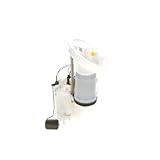

Understanding Fuel Pump Replacement Costs
The fuel pump delivers fuel from the tank to the engine, and its failure can cause poor running or a no-start. Replacing a fuel pump is labor-intensive: on most modern vehicles, the pump is an in-tank assembly that requires dropping or accessing the fuel tank. Costs vary by vehicle type, labor rates, and parts. The figures in this guide are planning ranges, not quotes — and a key point is often overlooked: a fuel pump rarely fails in isolation. A clogged filter, contaminated fuel, or a failing control module can mimic or cause pump failure, so diagnosing the root cause first prevents paying twice.
Safety First: Fuel Is Flammable and Pressurized
Fuel pump work involves an open fuel system — one of the highest fire risks in automotive repair. The system is pressurized (40–60 psi on port injection, far higher on direct injection and diesel), and fuel vapors are explosive. A shop will depressurize the system, work in a ventilated area, and handle fuel safely. DIY replacement is not recommended unless you are experienced with fuel systems: dropping a full tank, disconnecting high-pressure lines, and handling spilled fuel all carry real risk. If you smell fuel after a repair, stop driving and have it inspected. For related maintenance, see our fuel filter replacement cost estimator.
Factors That Affect Fuel Pump Replacement Costs
Several factors affect the total cost of replacing a fuel pump:
1. Vehicle Type
Luxury vehicles, trucks, and larger SUVs tend to be more expensive to repair due to system complexity and parts cost. Vehicles with a tank access panel under the rear seat are cheaper to service than those that require dropping the tank.
2. Pump Design and Parts Required
The pump itself varies widely in cost. A common in-tank electric pump module ranges from $50 to $500 or more, depending on the make and model. Direct-injection and diesel high-pressure pumps are far more expensive — often $500 to $1,500+ — because they operate at extremely high pressure. If a fuel filter, strainer, or fuel line needs replacement at the same time, cost increases.
3. Labor Costs
Labor typically ranges from $50 to $150 per hour, depending on location and the mechanic's rate. Replacing a fuel pump generally takes 2 to 6 hours, depending on the vehicle and whether complications arise — hard-to-reach tanks, rusted straps, or a full tank of fuel all add time.
4. Difficulty of Repair
If the pump is difficult to access or requires removing other components, labor costs rise. Some vehicles have an access panel; others require the tank to be dropped.
Estimated Costs for Fuel Pump Replacement
The cost of replacing a fuel pump varies by vehicle and repair scope. Below is an estimated cost breakdown:
- Sedan: $200 - $600
- SUV: $300 - $800
- Truck: $400 - $900
- Luxury Vehicle: $600 - $1,500+
Cost Breakdown for Fuel Pump Replacement
Here's a detailed breakdown of the costs:
| Component | Cost Range | Details |
|---|---|---|
| Parts | $50 - $500+ | Fuel pump assembly and any additional parts like hoses or filters |
| Labor | $100 - $900 | Labor costs depend on vehicle type and repair time required |
| Additional Parts | Varies | Additional costs if other parts, such as filters, need replacement |
Symptoms and Causes: Diagnose Before Replacing
Symptoms of a failing fuel pump include hard starting, loss of power under load, stalling, and a whining noise from the tank. But several other faults produce the same symptoms, and a good shop will test fuel pressure and volume before condemning the pump:
- Clogged fuel filter: Restricts flow and strains the pump — the most common misdiagnosis. See our fuel filter replacement cost estimator.
- Fuel pump control module (FPCM): Many modern vehicles use a module that fails independently of the pump. Replacing a pump when the module is faulty wastes money.
- Wiring and relays: Corroded connectors or a failed relay mimic pump failure.
- Low fuel level habit: Repeatedly running below a quarter tank overheats and shortens pump life, since the fuel cools the pump.
How to Save on Fuel Pump Replacement
- Replace the filter and strainer with the pump: A new pump behind a clogged filter will fail again — this is the most common repeat repair.
- Clean the tank if contaminated: Rust or debris in the tank will destroy a new pump.
- Use quality aftermarket parts: Reputable brands offer OEM-quality pumps at lower prices.
- Get multiple quotes: Labor hours vary, and some shops bill fuel system diagnosis separately.
- Keep the tank above a quarter full: This simple habit extends pump life significantly.
- Keep related maintenance current: A neglected fuel filter or failing spark plug can cause misfires that are mistaken for fuel pump problems.
Frequently Asked Questions About Fuel Pump Replacement
How much does it cost to replace a fuel pump?
Most in-tank electric fuel pump replacements cost $200–$600 for a sedan and $600–$1,500+ for a luxury vehicle. Direct-injection and diesel high-pressure pumps cost significantly more. The final price depends on pump design, whether the tank must be dropped, and whether related parts are replaced.
How long does a fuel pump replacement take?
Typically 2 to 6 hours. Vehicles with an access panel under the rear seat take less time than those requiring the tank to be dropped. Rusted straps, a full tank, or a contaminated system can extend the job.
Can I drive with a bad fuel pump?
Short distances at low speed may be possible if the pump is weak but still working, but a failing pump can leave you stranded without warning. If the vehicle stalls or loses power, stop driving and have it inspected — stalling in traffic is a safety hazard.
Do I need to replace the fuel filter with the fuel pump?
Yes, in most cases. A clogged filter is a common cause of pump failure, and leaving the old filter in place can cause the new pump to fail early. Replacing the filter, strainer, and any seals at the same time is standard practice.
Why did my new fuel pump fail?
The most common causes are a contaminated fuel tank, a clogged filter left in place, a faulty fuel pump control module, or wiring issues. If the root cause isn't fixed, a new pump will fail again.
Will a fuel pump replacement improve performance?
If the old pump was weak, yes — restoring proper fuel pressure improves acceleration, idle quality, and reliability. If the pump was healthy, you won't notice a difference. Fuel pumps are maintenance/repair items, not performance upgrades.
Sources and Methodology
The cost ranges in this guide are compiled from published industry labor guides, aftermarket and OEM fuel pump pricing, and service pricing surveys from independent shops and dealerships across the United States. Figures are intended for general budgeting and comparison, not as quotes. Actual costs vary by vehicle, region, shop, pump design, and the condition discovered during diagnosis. Safety information is provided for general awareness and is not a substitute for professional service — fuel systems are pressurized and flammable. For an accurate price, request a written estimate that itemizes the pump, labor hours, and any related parts.